In the world of e-commerce, Amazon has introduced a new assistant called Rufus to enhance our chances of finding products that we have an interest in easier.
Rufus is a new generative AI-powered conversational AI. It is supposed to help you find the perfect coffee maker or dinosaur toy. However, some people wonder if Rufus might steer you towards products that benefit Amazon more, like those that make more money or have paid for advertising.
Getting to Know More about Rufus
Amazon’s Legal Trouble and More Ads
Amazon is currently dealing with a lawsuit from the Federal Trade Commission (FTC) accusing them of having a “pay-to-play” system. This means Amazon might give more attention to products that pay for it. Despite saying they don’t, Amazon makes a lot of money from advertising, reaching $14.7 billion in the last quarter.
Rufus: A Secretive Helper
Besides, let’s dive into how Rufus works, which is a bit of a mystery. Amazon won’t share the details, but we know it learns from Amazon’s product list, reviews, and other information on the internet. However, some experts think Rufus might start showing results that are paid for by advertisers, adding to Amazon’s advertising money.
Trust and Ads
Rufus, for now, doesn’t seem influenced by ads. Amazon wants you to trust Rufus so you keep using it. If you don’t trust Rufus, you might not ask him for help anymore.
Amazon’s Ad History
Amazon has a history of mixing ads with recommendations. They used to give a special badge called “Amazon’s Choice” to products people paid for, not necessarily the best ones. This caused issues when Amazon wanted to buy a company called iRobot. Amazon had to drop the idea because of how they controlled this special badge.
Rufus: A Promise for Fun Shopping
Even with these issues, experts like Jim Tierney think Rufus could make shopping more fun. The AI has the potential to create a more engaging and conversion-driven shopping experience, leading to increased revenues and units sold.
Rufus in Action
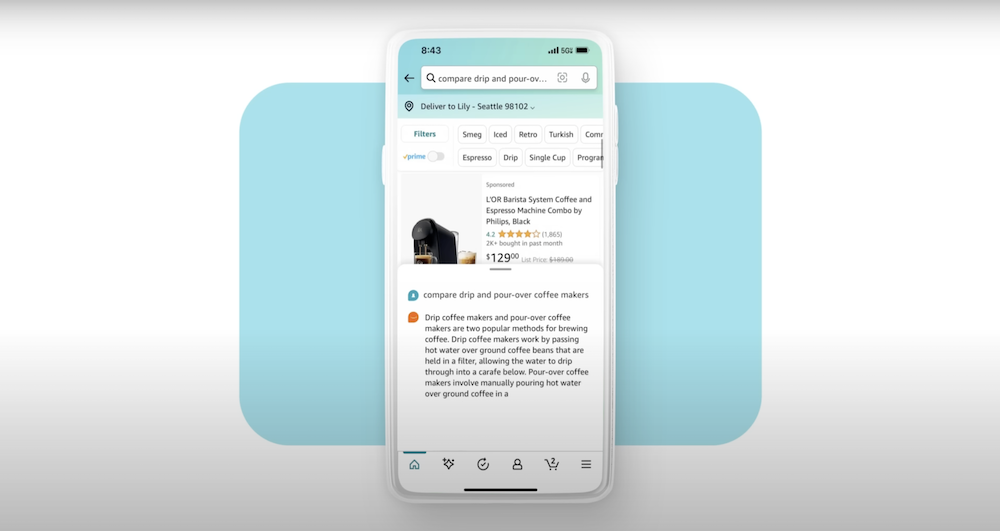
Rufus was showcased through a blog post, demonstrating its ability to respond to user queries. Amazon has proved how Rufus can answer questions. For example, when asked about comparing drip and pour-over coffee makers, Rufus gave a good answer. It also suggested dinosaur toys for a 5-year-old who loves dinosaurs. This shows that Rufus can handle different requests.
Amazon’s Special Advantage
What makes Amazon different from other companies is all the information they have about what most people purchase. This makes Amazon better at helping you find things you want when you’re shopping.
As Amazon keeps trying new things with Rufus, we might see changes in how we shop online. Despite the legal troubles and questions about ads, Rufus could be a helpful friend for Amazon shoppers. We’ll have to wait and see how Rufus evolves and makes online shopping more interesting for all of us.