Raspberry Pi Background
Raspberry Pi is a small, affordable single-board computer developed by the Raspberry Pi Foundation, initially launched in 2012. Its primary aim is to promote computer science education and provide an accessible platform for programming and electronics.
What Exactly is a Raspberry Pi?
The Raspberry Pi is a low-cost computer about the size of a credit card. It connects to a monitor or TV and uses a keyboard and mouse. Raspberry Pi has its own processor, memory, and graphics driver, just like a traditional computer. It even comes with a dedicated operating system called Raspberry Pi OS, a modified Linux version.
With this mini computer, you can browse the web, play videos, edit documents, and more. Many people use Raspberry Pi for DIY projects, from home automation to weather stations. While it doesn’t come with built-in storage, it supports microSD cards to hold the operating system and data. Plus, with Wi-Fi, Ethernet, and Bluetooth, sharing files and connecting to the internet is easy.
Types of Raspberry Pi Models
Raspberry Pi has evolved over the years with different models, each offering unique features:
- Raspberry Pi Model A: Small and energy-efficient, ideal for projects needing minimal power.
- Raspberry Pi Model B: Slightly larger and includes more RAM and USB ports.
- Raspberry Pi Model B+: An upgraded version with improved performance.
- Raspberry Pi Zero: Compact and affordable, perfect for portable projects.
- Raspberry Pi 2: Quad-core CPU, faster performance, and higher memory.
- Raspberry Pi 3 Model B: Includes Wi-Fi and Bluetooth for wireless connectivity.
- Raspberry Pi 4: The most powerful model, supporting dual 4K displays.
What Can You Do with a Raspberry Pi?
Raspberry Pi’s versatility is endless. Here are some common uses:
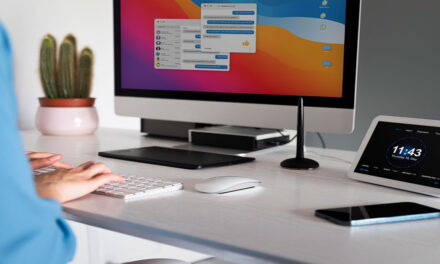
- Desktop Computer: Set up a basic desktop by connecting a monitor, keyboard, and mouse.
- Robotics Controller: Control robots with dedicated kits and Raspberry Pi’s GPIO pins.
- Print Server: Share printers on your network by installing print server software.
- Game Server: Host multiplayer games, like Minecraft, with ease.
- Media Streamer: Stream music and videos, transforming it into a home entertainment hub.
How Does Raspberry Pi Work?
Raspberry Pi operates on a basic principle: everything you need for computing on one board. Its processor (CPU) handles tasks and runs programs. RAM provides memory for smooth multitasking, while input/output ports connect to devices like displays and sensors. The board also includes GPIO pins, which allow Raspberry Pi to interact with external devices—key for many DIY projects.
Advantages of Raspberry Pi
- Small and Portable: It’s about the size of a credit card.
- Affordable: The low price makes it accessible for students and hobbyists.
- Versatile: Use it as a server, controller, or even a retro gaming console.
- Ideal for Beginners: Raspberry Pi is a great tool to learn programming and electronics.
Disadvantages of Raspberry Pi
- Not a Full PC Replacement: Limited processing power for heavy multitasking.
- Incompatible with Some Operating Systems: Windows, for instance, doesn’t run natively.
- May Not Suit Big Businesses: Larger servers can handle more demanding tasks.
Why Try Raspberry Pi?
Raspberry Pi is more than just a gadget; it’s a gateway to technology and innovation. Whether you’re looking to learn programming, build a smart home project, or explore robotics, Raspberry Pi offers endless possibilities. As it continues to evolve, this mini-computer is shaping the future of education, creativity, and tech solutions worldwide. Dive in and discover what you can build with Raspberry Pi!
If you are interested to try Raspberry Pi, find more Raspberry Pi Options