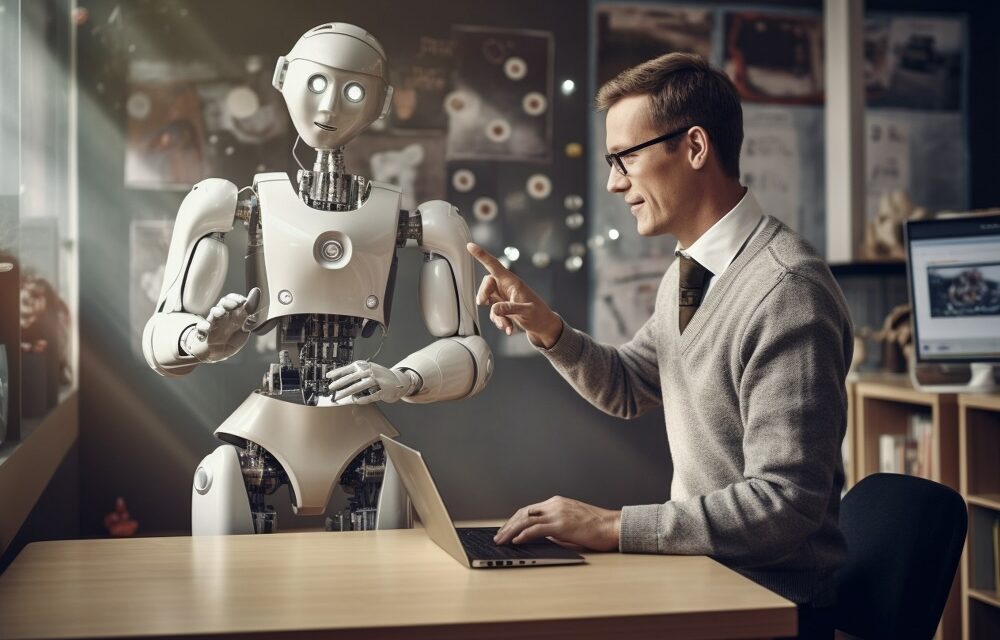
Artificial Intelligence (AI) has become an integral part of our lives, transforming various industries and revolutionizing the way we work. In recent years, organizations across the globe have been implementing AI technologies to streamline processes, enhance productivity, and gain a competitive edge. However, the impact of AI implementation on job satisfaction has been a subject of great interest and concern. In this article, I will delve into the topic and explore the implications of AI implementation on job satisfaction, based on new research.
Understanding the concept of job satisfaction
Before we delve into the impact of AI implementation on job satisfaction, it is essential to have a clear understanding of what job satisfaction entails. Job satisfaction refers to an individual’s level of contentment and fulfillment in their work environment. It encompasses various factors, including job security, work-life balance, career development opportunities, supportive colleagues, and the overall organizational culture.
The role of AI in job satisfaction

With the rapid advancement of AI technologies, the role of AI in job satisfaction has become a topic of significant interest. When implemented correctly, AI has the potential to enhance job satisfaction by automating repetitive tasks, improving efficiency, and freeing up time for employees to focus on more meaningful and challenging work. AI can also provide employees with valuable insights, enabling them to make better-informed decisions and contribute more effectively to their organizations. However, the impact of AI on job satisfaction is not without its challenges and concerns, which we will explore in the following sections.
The study reveals that while traditional techs like computers and smartphones can indeed make work smoother, newer innovations such as connected devices and AI software may be stirring up a storm of stress and mental strain among employees.
Research findings on the impact of AI Implementation on Job Satisfaction
The research has shed light on the impact of AI implementation on job satisfaction, providing valuable insights for organizations and employees alike. According to a recent study conducted by the Institute for the Future of Work, the study surveyed 5,000 UK employees who regularly engage with information and communication technologies (ICT) at work. These technologies range from computers and smartphones to connected devices and AI software.
Surprisingly, the study found that while traditional tools like computers and smartphones contribute to employee well-being, newer technologies like connected devices and AI software have the opposite effect, exacerbating stress and decreasing the overall quality of life at work.
The Human Factor
However, the study emphasizes that ICTs themselves are not inherently problematic. Instead, their impact depends on various factors, including how they are designed, deployed, and integrated into the work environment. Dr. Magdalena Soffia, the lead author of the study, stresses the importance of human decision-making in mitigating the negative effects of AI in the workplace.
The Bright Side of AI implementation on job satisfaction
The implementation of AI in the workplace offers numerous benefits that can positively impact job satisfaction. Firstly, AI can automate repetitive tasks, freeing up employees’ time and allowing them to focus on more engaging and intellectually stimulating work. This can lead to a sense of fulfillment and satisfaction, as employees can make a meaningful contribution to their organizations.
Secondly, AI technologies can provide employees with valuable insights and data, empowering them to make informed decisions and improve their performance. This access to information can enhance job satisfaction by fostering a sense of competence and accomplishment. Lastly, AI implementation can lead to improved work-life balance, as employees can rely on AI systems to handle routine tasks, allowing them to dedicate more time to their personal lives.
The Role of Transparency and Training
To navigate this double-edged sword, companies must prioritize transparency and employee training. By openly communicating about AI integration and addressing employee concerns, organizations can foster a culture of trust and collaboration. Moreover, providing adequate training ensures that employees feel empowered and equipped to adapt to the changing technological landscape.
Challenges and Concerns surrounding AI implementation and Job Satisfaction
While AI implementation offers numerous benefits, it is not without its challenges and concerns. One of the main concerns is the fear of job displacement. Many employees worry that AI technologies will replace their jobs, leading to unemployment and a decrease in job satisfaction.
Hence, organizations must address these concerns and communicate the positive impact of AI implementation on job satisfaction. Another challenge is the potential for bias in AI algorithms. If AI systems are not designed and trained with diversity and inclusivity in mind, they may perpetuate existing biases and inequalities, leading to a decrease in job satisfaction among certain groups of employees. Plus, organizations need to ensure the ethical use of AI and promote transparency in the decision-making processes involving AI technologies.
The Future of AI Implementation and Job Satisfaction
As AI technologies continue to advance at a rapid pace, the future of AI implementation and its impact on job satisfaction is promising. With ongoing research and development, AI systems will become more sophisticated, capable of handling complex tasks and providing even more valuable insights to employees. However, organizations must strike a balance between AI implementation and human interaction in the workplace. While AI can enhance efficiency and productivity, human connections and relationships remain essential for job satisfaction. Therefore, organizations must continue to prioritize employee well-being, engagement, and growth opportunities, even in the era of AI implementation.
Conclusion: Embracing AI while Prioritizing Job Satisfaction
As AI continues to reshape the modern workplace, it is essential to acknowledge its potential impact on employee well-being. By understanding the nuances of this technology and prioritizing the human factor, companies can harness the benefits of AI while safeguarding the welfare of their workforce. Ultimately, it’s not just about embracing the latest advancements but also about ensuring that they serve to enhance, rather than diminish, the quality of work life. The future of AI implementation and job satisfaction holds great promise, as long as organizations strike a balance between technology and human connection. Let us embrace AI while prioritizing job satisfaction for a more fulfilling and productive work environment.