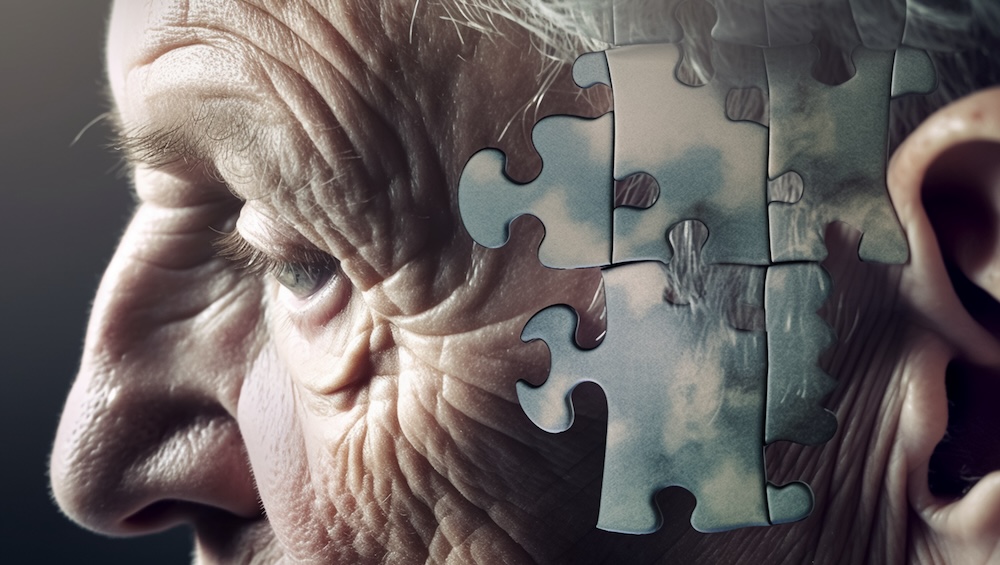
Can we predict dementia before it hits? Scientists think they’ve found a way. In a big study shared in Nature Ageing, experts from Fudan University say they can guess if someone might get dementia up to 15 years before they show any signs, just by checking their blood.
What’s Dementia?
Dementia isn’t one sickness, it’s a general term for having trouble remembering, thinking, or making decisions that makes it hard to do everyday stuff. Alzheimer’s disease is the most common type of dementia. While dementia mostly affects older people, it’s not a normal part of getting older.
How many people have dementia?
Out of those who are at least 65 years old, there were about 5.0 million adults with dementia in 2014, and it’s expected to reach nearly 14 million by 2060.

How They Did It?
They started with info from over 50,000 people. By looking at this massive bunch of data, they spotted certain proteins linked to different kinds of dementia. Then, with the help of fancy computer smarts called artificial intelligence (AI), they made a clever tool to guess who might diagnosed with dementia.
The Journey to Discovery of Dementia
This wasn’t easy. Old methods had problems, like not having enough ways to compare things. But by using a bunch of data from the UK Biobank—where thousands of people gave info and samples—the scientists got a big break. They looked at blood proteins from these folks and found some that changed long before anyone showed signs of dementia.
The Role of Machine Learning towards Dementia
Furthermore, let’s enter machine learning, a game-changer in the quest for dementia prediction. By employing a light gradient boosting machine algorithm, researchers sifted through vast amounts of data to pinpoint proteins most closely linked to dementia risk. Besides, this algorithm, hailed for its pattern recognition and prediction capabilities, played a crucial role in refining the predictive model.
Turning Data into Predictions
By mixing protein info with stuff like age and sex, the scientists made a super smart guesser. It focused on a protein called GFAP and could tell if someone might get dementia over 10 years before it happened. And it didn’t need fancy scans or pokes—just a bit of blood.
Challenges and What’s Next
Even though this study is a big deal, it’s not perfect. The people in the study were mostly the same, and they didn’t look at all the proteins in the blood. But more studies are coming, including ones with different groups of people, to make the guesser even better.
Looking Forward
This isn’t just about dementia. It’s about understanding our brains better. From feeling down to diseases like Parkinson’s, there’s lots to explore. And maybe, one day, a simple blood test could help catch these problems early.
Wrap-Up
The future of predicting dementia is here, thanks to some smart science and a bit of blood. With AI and a peek into our proteins, we might soon be able to spot trouble before it starts, changing how we take care of our brains for good.