Hey there, Wiii Digital’s readers! Buckle up because we’re diving into the future of AI, and guess what? The spotlight has shifted from text-to-image generators to the latest breakthrough – AI video generation. Google Research, a pioneer in the field, has unveiled Lumiere, a groundbreaking text-to-video diffusion model that promises to redefine the way we experience generated videos.
Smooth and Realistic Motion: Lumiere’s Game-Changing Architecture
Traditional video generation models often fall short of delivering seamless and realistic motion, resulting in choppy visuals. However, Lumiere tackles this challenge head-on with its innovative Space-Time U-Net architecture. Unlike other models that synthesize distant keyframes, Lumiere generates the temporal duration of a video in a single pass, ensuring unparalleled consistency and fluidity.
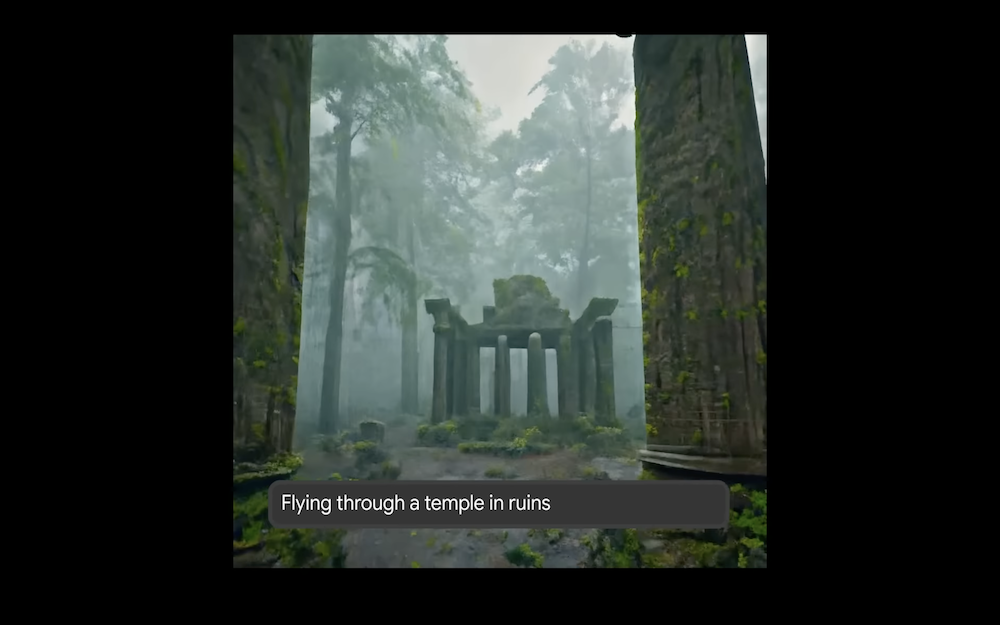
A Leap Beyond the Ordinary: Hyper-Realistic Video Clips
Furthermore, Lumiere goes beyond the ordinary by producing hyper-realistic video clips. The model achieves this feat through its unique approach, a departure from the conventional methods employed by other models. The result is a viewing experience that is not only smooth but also visually stunning.
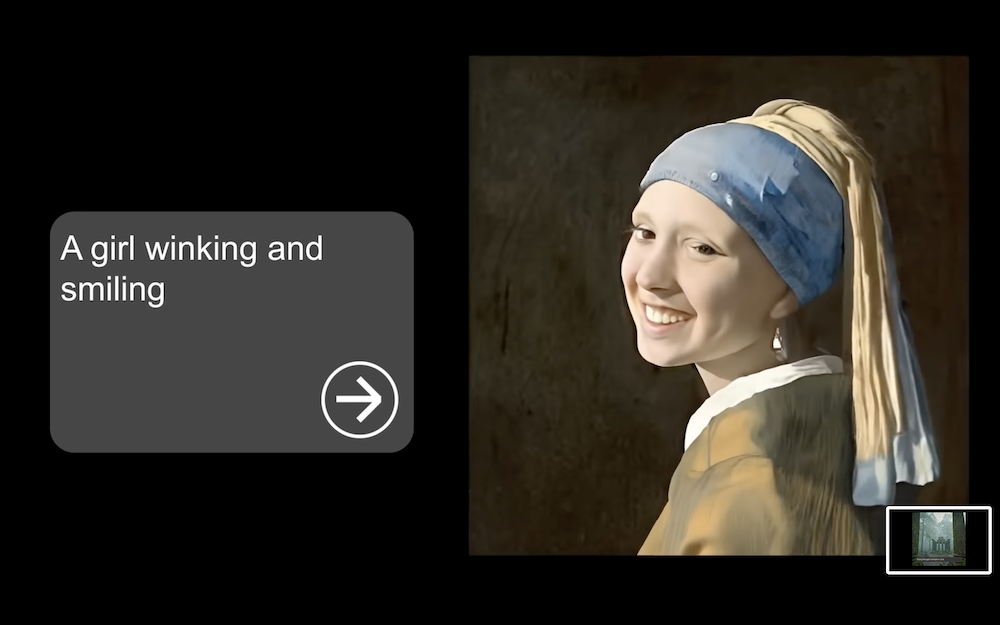
Versatile Inputs, Dazzling Outputs
Moreover, Lumiere’s capabilities extend to various inputs, making it a versatile tool in the realm of video generation. The model effortlessly converts text to video, bringing written prompts to life with cinematic flair. It also excels in image-to-video generation, animating static images using accompanying prompts for a dynamic visual narrative.
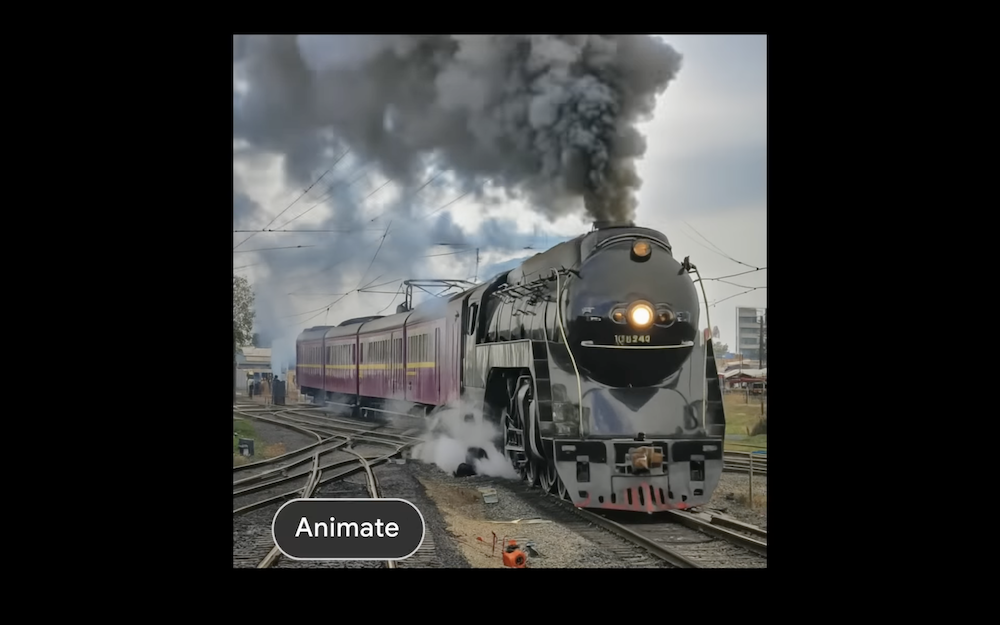
Adding a Fun Twist: Stylized Generation
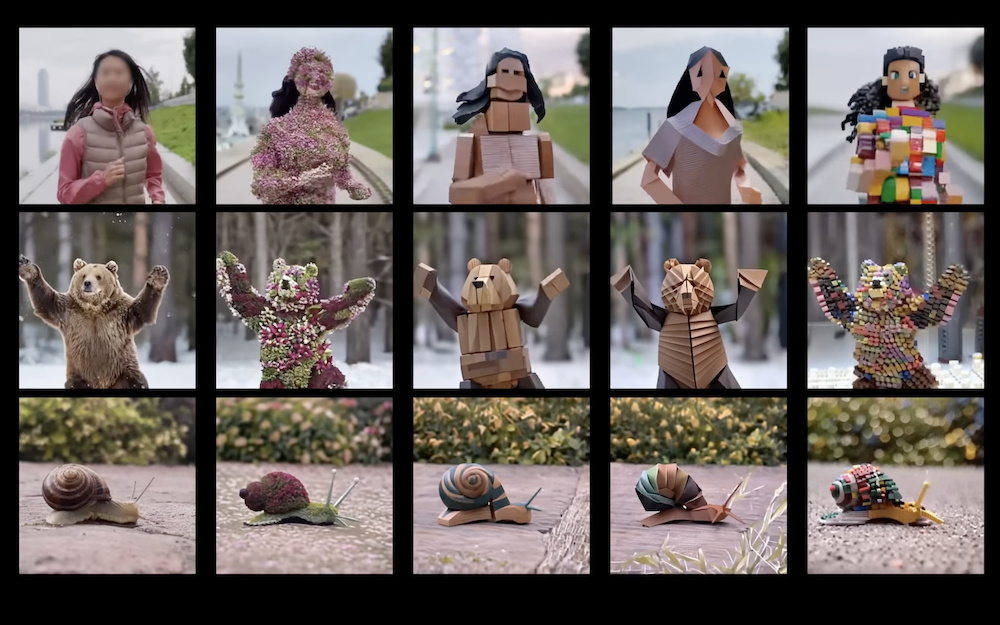
The fun doesn’t stop there. Lumiere introduces stylized generation, a feature that uses a single reference image to craft videos in a user-specified style. This adds a creative dimension to video generation, allowing users to explore diverse visual aesthetics.
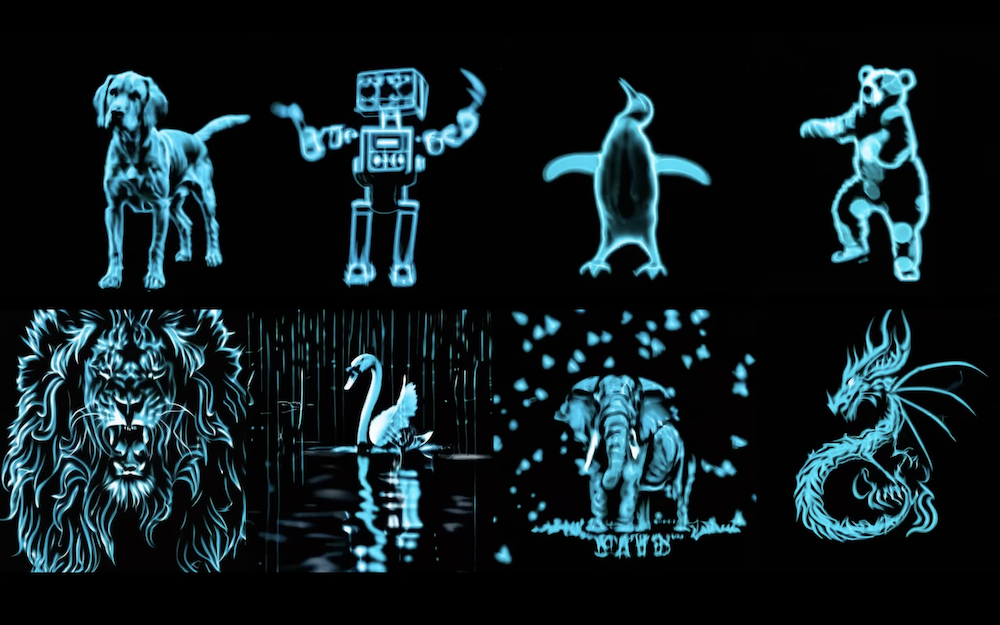
Beyond Generation: Video Editing Unleashed
Lumiere transcends mere video generation; it’s a comprehensive tool for video editing. Users can apply various visual stylizations to modify a video according to a specific prompt. Cinematography features animate specific areas of a photo, while inpainting fills in missing or damaged areas – a true revolution in video editing.
Lumiere’s Triumph: Outperforming the Competition
In a head-to-head comparison with other prominent text-to-video diffusion models such as ImagenVideo, Pika, ZeroScope, and Gen2, Lumiere emerges as the undisputed champion. Testers, unaware of the model behind each video, consistently favored Lumiere across all categories, including text-to-video quality, text-to-video text alignment, and image-to-video quality.
The Future Unveiled: Lumiere’s Awaited Arrival
While Lumiere is yet to make its debut to the general public, the Lumiere website offers a sneak peek into the model’s capabilities. By exploring numerous demos showcasing Lumiere in action, from text-to-video generation to stylized transformations and impressive video editing.
In conclusion, Lumiere by Google Research represents a significant leap forward in AI video generation. With its revolutionary architecture, hyper-realistic outputs, and versatile applications, Lumiere promises to unlock a new era in the world of artificial intelligence. Stay tuned for the official release, and in the meantime, delve into the future of video generation with Lumiere’s captivating demos.