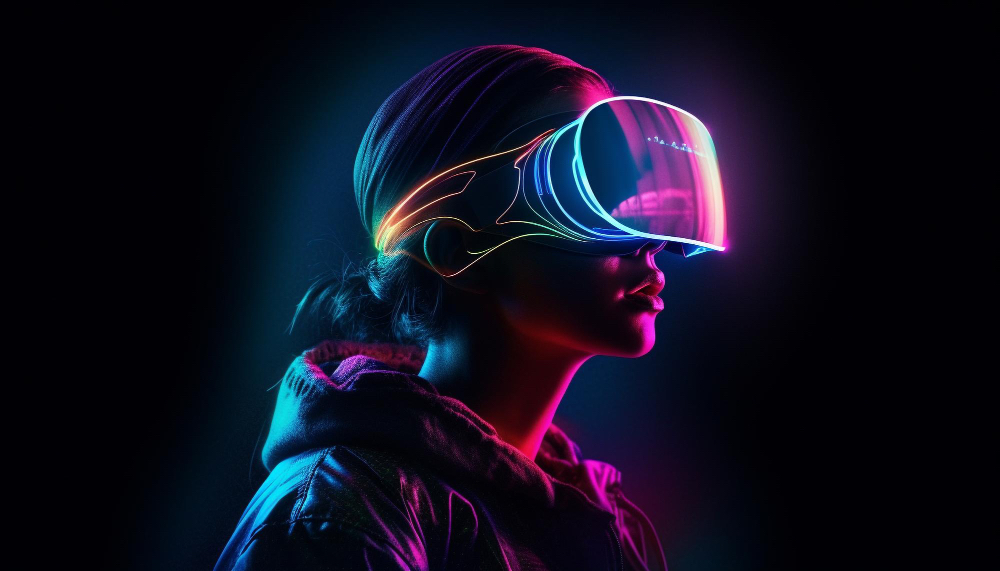
Virtual Reality (VR) has rapidly evolved from a niche technology to a transformative tool across various fields, including gaming, education, therapy, and training. But what exactly is VR, how does it work, and what impact does it have on our brains? This article delves into the science behind VR technology, its operational mechanisms, and its profound effects on cognitive functions and emotional responses.
What is Virtual Reality
VR is an immersive, computer-generated environment that simulates physical presence in a virtual or imaginary space. Users interact with this environment through specialized hardware, including VR headsets, gloves, and motion sensors. These devices create a sense of presence, making users feel as if they are truly part of the virtual world, rather than just observing it.
How VR Works
VR combines hardware like head-mounted displays (HMDs) and motion sensors to create immersive experiences. VR headsets track head movements and show 3D images, simulating depth and presence. Controllers and sensors allow users to interact with the virtual world in real time.
Hardware Components:
- Head-Mounted Displays (HMDs): These are the most recognizable elements of VR, featuring screens that display 3D images to create depth perception. HMDs also track head movements, allowing users to look around the virtual environment naturally.
- Controllers and Sensors: Handheld controllers or gloves equipped with sensors enable users to interact with the VR world. Motion sensors track body movements, enhancing the immersive experience.
- Audio Feedback: Spatial audio technology plays sounds that mimic real-life directionality, making interactions feel more authentic.
Rendering Environments:
VR systems use advanced graphics rendering techniques to create lifelike environments. This involves processing a vast amount of visual data in real time, ensuring that the virtual world responds to users’ movements seamlessly.
Sensation and Perception:
To achieve immersion, VR combines visual, auditory, and sometimes haptic feedback (through touch). This multisensory approach tricks the brain into believing the virtual environment is real, creating a sense of presence.
Effects of VR on the Brain
When using VR, the brain processes sensory inputs like sight and sound. This stimulation creates a mental map, making the virtual environment feel real. The brain uses this information to form neural connections, enhancing learning and memory.
Sensory Integration:
VR engages multiple senses simultaneously, stimulating the brain’s sensory pathways. This integration can enhance learning and retention, as users are more likely to remember experiences when they actively participate.
VR Enhances Learning:
VR boosts learning by providing hands-on experiences. In a virtual world, students can practice tasks, improving retention. This active participation helps students remember information better than traditional learning methods. Studies from University of Maryland show VR users recall 8.8% more information than non-VR users.
Cognitive Load and Memory:
Studies suggest that VR can influence cognitive load, which refers to the amount of mental effort being used in the working memory. Engaging experiences in VR can either enhance or overload cognitive functions, depending on the complexity of the tasks.
Emotions and Memory in VR :
Emotions play a big role in learning. VR immerses users in realistic scenarios, triggering emotional responses. These emotions help the brain retain information. The more engaging the experience, the more likely the brain will remember it.
Therapeutic Applications:
Virtual Reality Exposure Therapy (VRET) utilizes VR to treat various mental health conditions, including PTSD, anxiety disorders, and phobias. By gradually exposing patients to their fears in a controlled environment, VR helps desensitize their emotional responses and promotes coping strategies.
Neuroplasticity:
Engaging with VR can promote neuroplasticity—the brain’s ability to reorganize itself by forming new neural connections. This is particularly beneficial in rehabilitation settings, where VR is used to aid recovery after injuries or strokes by encouraging movement and cognitive engagement. For example, patients recovering from spinal injuries have feeling less anxiety and discomfort while performing rehabilitation exercises in a virtual environment, as the engaging visuals and scenarios help them focus on the task rather than their physical limitations.
Conclusion
Virtual Reality is more than just a tool for entertainment. It is a groundbreaking technology that harnesses the power of immersion to impact the brain profoundly. By understanding how VR works and its effects on cognitive and emotional processes, we can harness its potential for education, therapy, and beyond. As technology advances, the possibilities for VR applications are limitless, promising exciting developments in our understanding of human perception and interaction in both virtual and real-world scenarios.