Introduction: The Rise of AI and the Human Question
In recent years, Artificial Intelligence (AI) has become a critical part of our daily lives. From smart assistants like Alexa to advanced algorithms shaping industries, AI has proven its capability to enhance convenience, productivity, and efficiency. Yet, a question arises: What happens when we depend on AI too much?
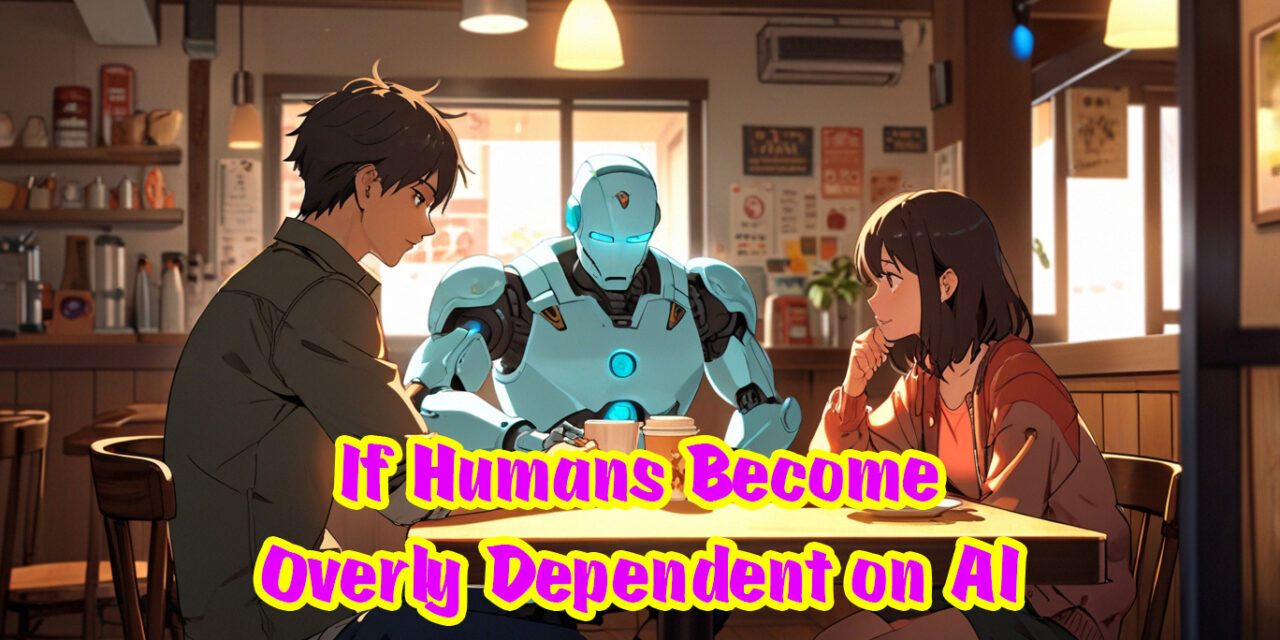
While technology continues to advance, it is essential to pause and reflect: Can we maintain our humanity in a world increasingly dominated by machines? This article delves into the relationship between human emotion, creativity, and reliance on AI, exploring how we can strike a balance without losing what makes us fundamentally human.
The Increasing Dependence on AI: Where Are We Now?
- AI in Our Everyday Lives
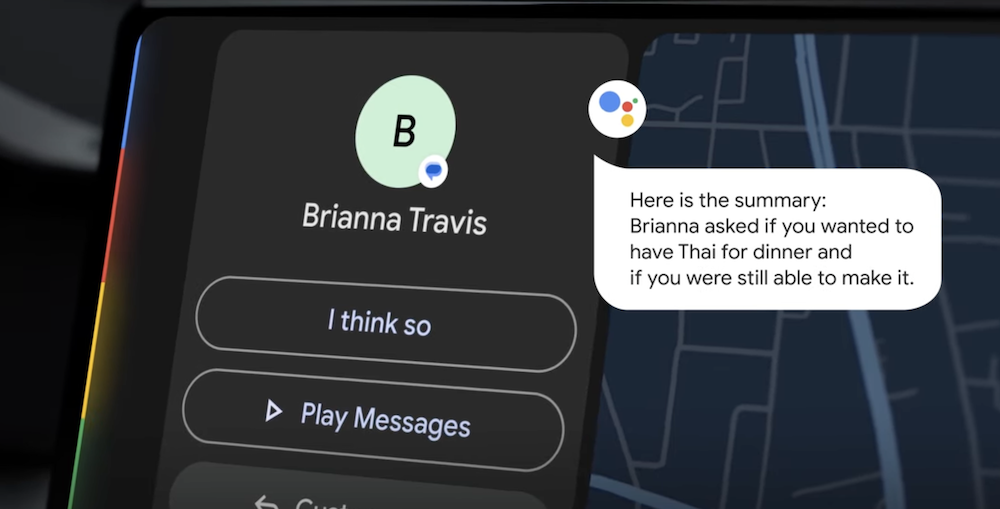
- AI-powered virtual assistants like Siri and Google Assistant guide our daily routines.
- Algorithms curate the news we see, the music we hear, and the ads we click on.
- Smart devices anticipate our needs before we even ask.
- In Professional Spaces
- Businesses are automating repetitive tasks with AI to save costs and improve accuracy.
- Healthcare providers are turning to AI for diagnostics, treatment plans, and patient monitoring.
- Creative industries are experimenting with AI-generated art, music, and even storytelling.
- In Relationships and Communication
- AI chatbots handle customer queries seamlessly, reducing the need for human interaction.
- Advanced systems like ChatGPT blur the lines between AI and human-generated content.
- Virtual companions and AI apps are providing simulated emotional support.
While these advancements sound promising, there is an underlying danger of becoming over-reliant. When machines begin to do it all for us, what happens to our emotional intelligence, creativity, and critical thinking?
The Challenges of Over-Reliance on AI
1. The Loss of Emotional Connection
Humans are inherently emotional creatures. We value personal connections, empathy, and understanding. However, AI lacks genuine emotions. For instance:
- Chatbots provide scripted empathy but cannot truly “feel” what you feel.
- Overuse of AI in relationships (e.g., virtual friends) could distance people from forming real bonds with other humans.
Why It Matters: Without real emotional connections, society risks becoming isolated and emotionally numb.
2. Creativity Stagnation
AI can mimic art, music, and writing, but it lacks the soul of human creativity. For example:
- AI tools generate “perfect” art or music but lack the personal touch, originality, and imperfections that make human creations unique.
- When humans rely on AI for creativity, they may stop pushing themselves to explore new ideas or challenge norms.
Why It Matters: Creativity is at the core of human evolution—it drives innovation, culture, and individuality.
3. The Erosion of Critical Thinking
When AI systems predict everything for us—from search suggestions to decision-making—our ability to think critically may decline. Examples include:
- Over-relying on AI recommendations (e.g., news feeds) can create echo chambers.
- Automating tasks without understanding the process erodes problem-solving skills.
Why It Matters: Critical thinking helps individuals make informed decisions and question the status quo.
4. Ethical Dilemmas and Control
The more we rely on AI, the more we hand over control to systems we don’t fully understand. Potential challenges include:
- Bias in AI algorithms that reflect societal inequalities.
- Dependency on AI decisions without questioning their implications.
- Loss of privacy and ethical concerns surrounding AI surveillance.
Why It Matters: Humans must remain in control to ensure ethical boundaries are upheld.
How to Balance AI and Humanity: Practical Solutions
While AI is here to stay, striking a balance between its advantages and maintaining our humanity is critical. Here are some actionable suggestions:
1. Foster Human Connections
- Prioritize real-life conversations and relationships over digital substitutes.
- Limit the use of AI-driven communication tools for deeply personal or sensitive interactions.
- Encourage face-to-face engagement in professional and personal spaces.
2. Promote Creative Exploration
- Use AI as a tool for assistance, but don’t let it replace the human creative process.
- Challenge yourself to think beyond AI-generated ideas—explore new perspectives and take creative risks.
- Support education that emphasizes critical thinking, art, and emotional intelligence.
3. Build Digital Literacy
- Learn to identify AI-generated content and distinguish it from human input.
- Encourage discussions on ethical AI use, particularly in education, media, and politics.
- Stay informed about AI’s limitations and potential consequences.
4. Set Boundaries for AI Use
- Limit screen time and use of AI tools where manual effort can add value.
- In workplaces, strike a balance between automation and human oversight.
- For industries, establish clear ethical guidelines for AI deployment.
5. Preserve Emotional Intelligence
- Encourage activities that build empathy, communication, and emotional awareness, such as community volunteering.
- Integrate emotional intelligence training in schools and workplaces.
- Remember: Machines can process information, but only humans can truly feel and connect.
The Future: A Co-Existence Between AI and Humans
AI is not inherently a threat to our humanity—it is a tool we created. The key lies in how we choose to use it. AI should complement human efforts, not replace what makes us unique.
A future where AI and humans coexist harmoniously is possible:
- Humans lead with emotional intelligence, creativity, and ethics.
- AI assists with efficiency, data processing, and automation.
By maintaining this balance, we ensure that technology enhances our lives rather than diminishes them.
Conclusion: The Call to Action
As we embrace AI, we must ask ourselves:
- Are we using AI to solve problems, or are we using it to avoid effort?
- Are we creating meaningful human connections, or are we leaning on AI to simulate them?
- Are we fostering creativity, or are we outsourcing it to machines?
AI is a powerful force that can help shape the future, but it cannot replace human emotions, ethics, and creativity. By staying aware, thoughtful, and intentional in how we use technology, we can ensure that we don’t lose sight of what makes us human.
The future is not about choosing between AI or humanity—it is about finding the balance where both thrive.